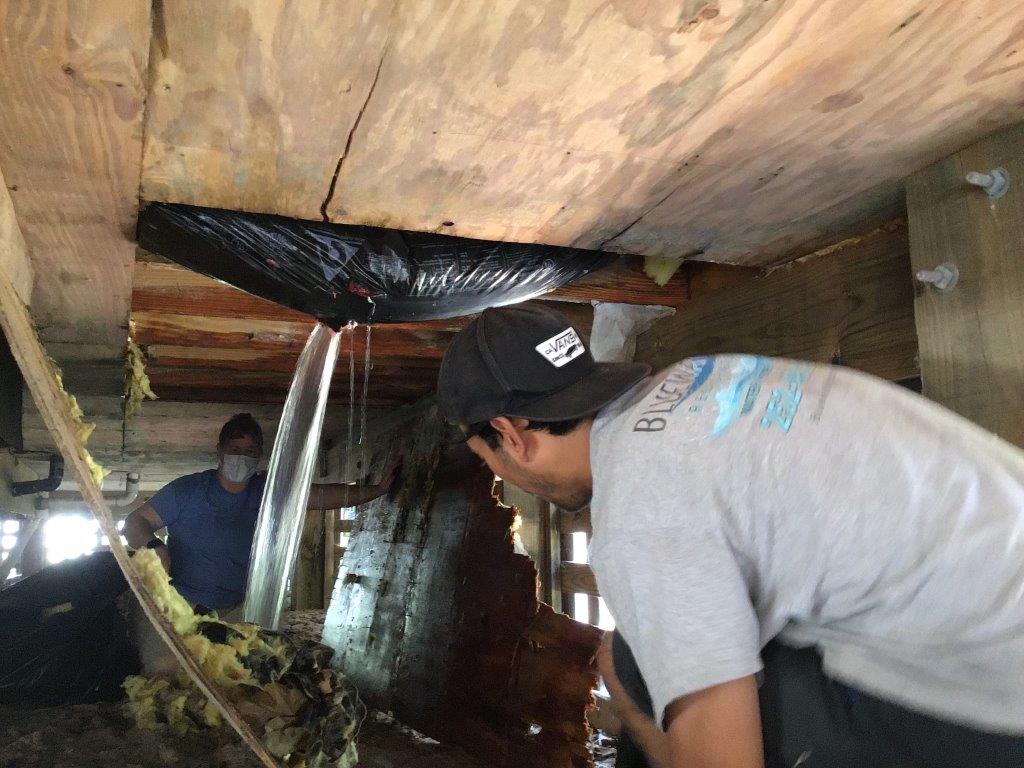
Our emergency disaster service is an immediate response to your property to stop further water damages after flooding from leaks, water overflows, and fire suppression. Our Certified Restoration Team is skilled in rapid water extraction, cleanup, repairs, reconstruction, and insurance claim documentation. Property disasters are an unsettling time of significant loss that we have also experienced ourselves, so you can count on us to give you the compassionate restoration services you should receive.
Our service area covers Dare, Currituck, and Pasquotank Counties from Moyock to Elizabeth City to the Outer Banks, including Corolla, Duck, Kitty Hawk, Kill Devil Hills, Nags Head, Manteo, Hatteras Island.
24/7 WATER DAMAGE SERVICE
IF YOUR PROPERTY FLOODS: do your best to find the flood water source • if it’s possible, stop the water intrusion • assess your property’s damage as accurately as you can • call us so we can immediately help you! • this is a simplified list and not all-inclusive.
Water damages escalate fast! We can drastically reduce or eliminate the need for reconstruction with rapid water extraction and skilled drying and dehumidification services. Sadly, most water damages require complete removal of affected building materials after just 72 hours and can cause mold quickly in our region, where growing conditions thrive. Failure to immediately address known water damage can limit insurance coverage. Please don’t let this happen to you! Our caring property restoration team will handle your cleanup, every repair, communicate with your adjuster, and professionally document losses for your claim.
RAPID DRYING WITH ADVANCED TECHNOLOGY
We rapidly restore properties using our unique high-speed structural drying investment, a 250,000 btu TES Trailer. Our industrial drying arsenal contains ample equipment that ensures our ability to handle complex, large, and small drying jobs. This technology contributes to the maximum effectiveness of our certified drying and dehumidification processes. With one call, we immediately respond to a property, provide expert mitigation advice, establish drying chambers for short-term drying, or customize a dehumidification environment for long-term needs. Understanding the science of rapid drying requires years of experience and training. Our technicians are the most skilled and well-equipped restoration team in our region.
INDOOR ENVIRONMENTAL INSPECTIONS
Do you smell musty odors or does something smell unusual when you enter your property? Do you see fungal growth anywhere or notice allergic reactions when on your property but not when away? Answering yes once means you might have an indoor moisture issue like many properties do in our southern marine environment where warm moist air enters from wet crawlspaces. Our certified technicians inspect properties, finding the cause of moisture issues to establish a healthy indoor environment plan that helps properties stay within a favorable dry standard.
CERTIFIED MOLD REMEDIATION
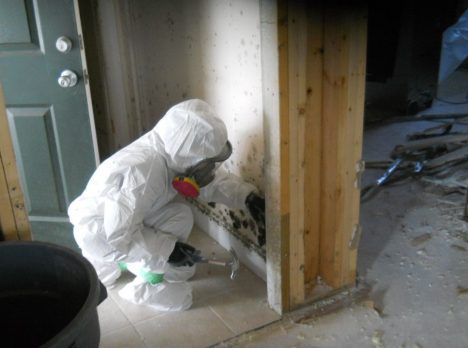
Our indoor environmental inspection for mold issues provides a thorough analysis that finds moisture sources and mold type. We deliver remediation solutions that safely and best solve problems using a full line of air filtration and dehumidification equipment. Call to set up your Indoor Air Quality Inspection today!
It's not safe to disturb mold spores!
Motion sends millions of viable mold spores into the air that will cross-contaminate your entire property. If remodeling, it’s unsafe to continue until the mold hazard is analyzed. Tearing out moldy building materials releases mold spores that cause extensive contamination. Trying to stop mold with bleach or fungicides does not kill mold toxins in the air and those spores will continue to release toxins until professionally removed, remaining dormant until the right growing conditions return to cause mold contamination again. Most mold species are harmless at normal levels yet can cause allergic reactions in high concentrations. Health effects vary based on individual vulnerability, exposure duration, and byproducts the mold species releases. Take extreme care with Toxigenic Classified Molds since they can cause internal bleeding, severe respiratory illness, and brain damage. They are also capable of attacking the immune, central nervous, and cardiopulmonary systems.
Why Do Air Ducts Need Cleaning?
HVAC cleaning is a valuable service due to average accumulations of dust and dirt, but especially for the elderly and those with pets, allergies, asthma, water damage contamination, remodeling projects. The EPA explains: “Should You Have the Air Ducts in Your Home Cleaned?”
WE RECOMMEND CLEANING THE ENTIRE HVAC, including air ducts, air plenum, coils, blower motor, assembly, drain pan, heat exchanger, registers, air filter, grills, and air cleaner. Failure to clean all components can result in re-contamination of the entire system, minimizing cleaning benefits. We will ensure your HVAC system is fully cleaned as professionally as possible by utilizing the procedures compiled by the National Association of Air Duct Cleaners (NADCA) and the EPA.
You can tell your system needs cleaning by removing a duct register and looking inside using a small mirror and flashlight. or snap a photo inside the duct. If dirty, set up a system inspection.
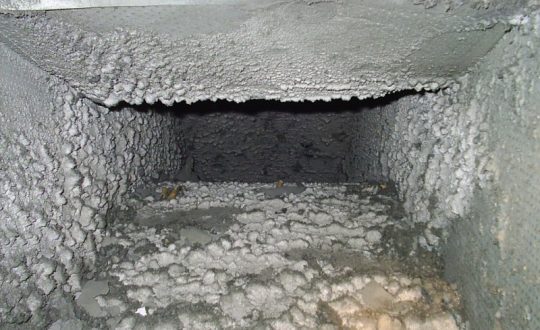
Breaking Contaminants Loose: Effective HVAC system cleaning requires removing contamination sources. Removal begins with using one or more agitation devices that loosen contaminants from the HVAC system surfaces. Agitation devices include brushes, air whips, and compressed air nozzles or “skipper balls.” Agitation is also achievable through hand-brushing and contact vacuuming.
Contaminant Collection: The entire HVAC system receives continuous negative pressure (vacuum) to prevent contaminants from spreading during cleaning. The constant negative pressure removes fine particles as they become airborne, preventing their release into the living space. This negative pressure also extracts and collects all loosened contaminants, removing them from the property.
System Access: HVAC system cleaning is not a complex process, but each job is unique. Where possible, access to duct interiors should be made through existing openings such as supply diffusers, return grills, duct end caps, and existing service openings. Cleaning technicians may need to cut access holes in the ductwork to reach inside with various cleaning tools. The creation of these service openings, and their subsequent closure, requires craftsmanship and professional skills.
Antimicrobial Chemicals: Sanitizers, disinfectants, and deodorizers can be applied to non-porous surfaces in HVAC systems to address microbial contamination and help control odors. We use chemicals registered with the United States Environmental Protection Agency (EPA) and only after performing surface cleaning if the treatment is necessary.
24/7 FIRE DAMAGE RESPONSE
Receiving prompt fire restoration service helps save your property and belongings from smoke, soot, and water damages. Sadly, professional restoration delays occur due to fire investigations, fire suppression flooding, and power loss.
Fire damage quickly escalates!
When called to help after a fire, our Caring Fire Restoration Team knows what to do first and quickly works to stop further damages. We handle belongings with professional care and document losses for insurance reimbursement. An accurate loss list that includes model numbers, serials numbers, etc., is required and valuable when professionally done. Salvageable content is packed and processed in our restoration facility:
• pack up, pack-out, store contents
• document & dispose of losses
• clean & restore contents
• adjust cleaning techniques to fire type
• clean, deodorize & restore the property
• pack-in cleaned contents to the property
• document services provided
• communicate with the adjuster
• all parties receive claim details during the process
• create, articulate & justify the insurance claim report in industry-standard language and presentation
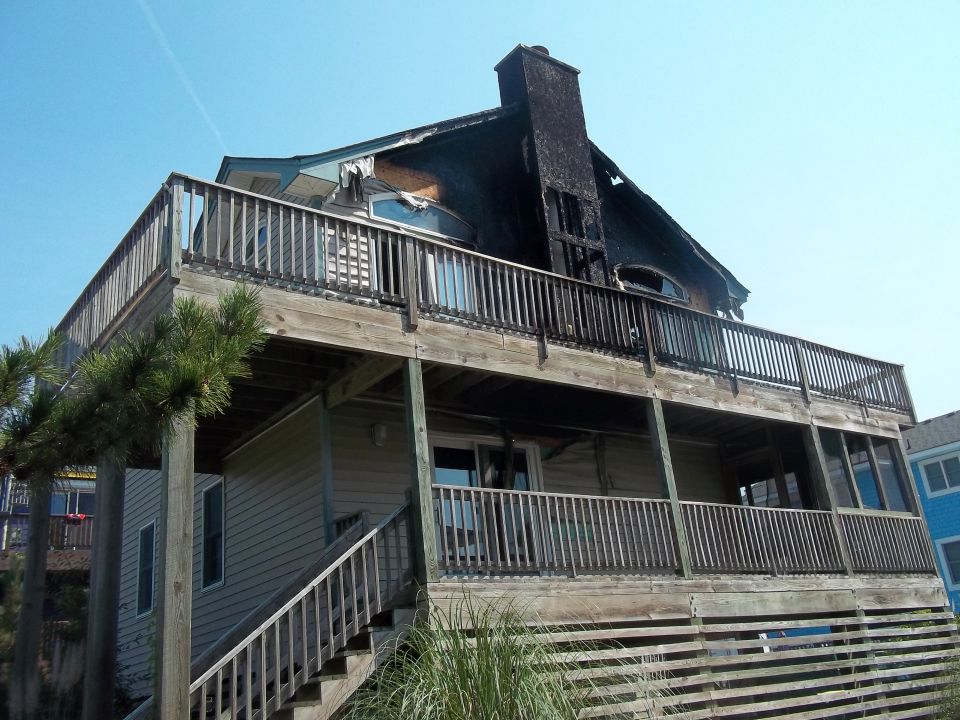
We Have Been Rebuilding Outer Banks Homes and Businesses since 1986
Bluewater Restoration is a licensed, bonded, and insured North Carolina General Contractor fully capable of rebuilding your property to its pre-loss condition. Our construction project managers oversee our customers’ remodeling, reconstruction, and repair projects to ensure successful outcomes. We are sensitive to every customers’ loss of use during their project. We will strive to be an effective and efficient supervisor to your property’s rebuild so you can get back to your life as soon as possible.
Our skilled construction division can build within the parameters of insurance claims and beyond. Do you want to remodel your home for a beautiful, new look? Does your business appear worn and need some modern updates? Call us today!
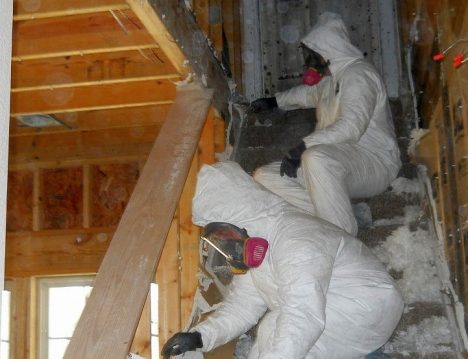
We provide residential and commercial properties with enhanced deep cleaning procedures to ensure the health and safety of occupants. Our Biohazard Services include rodent and raccoon decontamination, septic cleanup, trauma and crime scene cleanup. and viral disinfection. Our skilled bioremediation technicians follow the Centers for Disease Control (CDC) and Environmental Protection Agency (EPA) recommendations and the Industry Standards of Care of the IICRC.
Biohazard mitigation, which entails extreme cleaning, sanitizing, and deodorizing, relates to potentially life-threatening environmental situations requiring skilled technicians to remediate the property to make it safe for human occupancy.
Biohazard cleaning handles blood-borne pathogens from traumas such as accidents, injury, unattended death; poisonous chemicals, fumes, parasites contaminates; virus, biological warfare contamination, etc.
Biohazard cleanup can be a potentially dangerous task for technicians as they handle hazardous materials during cleaning. These tasks require professional training and protocols to ensure the technicians’ safety and the property’s occupants’ health.
Rodents and Racoons
We handle parasite cleanup and often receive calls for vermin, such as roof rats and raccoons. Many of these critters carry parasites that pose serious health risks in humans, especially children. Due to the trained care needed to prevent direct contact and avoid severe or fatal illness, skilled professionals must clean up vermin mess.
Sewage Backflows
Human waste can be potentially deadly from exposure to fumes, viruses, and bacteria. If not cleaned and sanitized professionally, consider sewage a biohazard that can kill you and others, especially children, the elderly, and the immune-compromised. Standard cleaning techniques cannot sanitize the area nor remove all deadly exposure, leaving the property contaminated.
Trauma and Crime Scenes
We respond 24/7 to help you with compassionate trauma cleanup. Our caring decontamination team is a vital first step toward moving past the trauma of losing a loved one. We will help begin your emotional healing as we clean, sanitize, and return your work or living space to sanitary and healthy conditions.
Viral Disinfection
Our Deep Cleaning Service with Viral Disinfectants using a Wet Fogger Process helps Reduce Virus Transmission, including COVID. Deep cleaning covers a range of customizable services, including basic janitorial cleaning, housekeeping, disinfecting touchpoints, wet fogging, air duct cleaning, Hydroxyl Generator air cleaning, deodorizing, and more. Perfect for offices, public buildings, rental homes, and properties before move-in.
Licensed, Bonded, & Insured NC General Contractor
As Skilled and Certified Property Restoration Contractors, Our Mission is to Exceed the Expectations of Every Customer and Insurance Professional with Outstanding Property Services.
Certifications & Affilations
NC General Contracting License 35962
Institute of Inspection Cleaning & Restoration (IICRC)
Lead Safe (EPA)
Lead Renovator Cert NC
Outer Banks Home Builders